Accurate auscultation – or listening to heart sounds, and sounds from other organs including the lungs, with a stethoscope – is a basic skill, yet also comes with challenges. Auscultation helps healthcare professionals, including nurses, physicians, EMTs and paramedics, assess and diagnose patients.

Although patient safety hasn’t been studied as much in EMS as in nursing and pharmacy (for example), it is becoming a focus in EMS and EMS education now. Educational challenges that exist can be overcome by incorporating simulation into the EMS curriculum.

Conferences are a wonderful opportunity to meet and talk with colleagues and industry experts. The International Meeting for Simulation in Healthcare (IMSH) collects the expertise of healthcare education and simulation leaders globally.
IMSH hosted dozens of interactive sessions on a broad range of topics. Here were a few of the most common topics ...
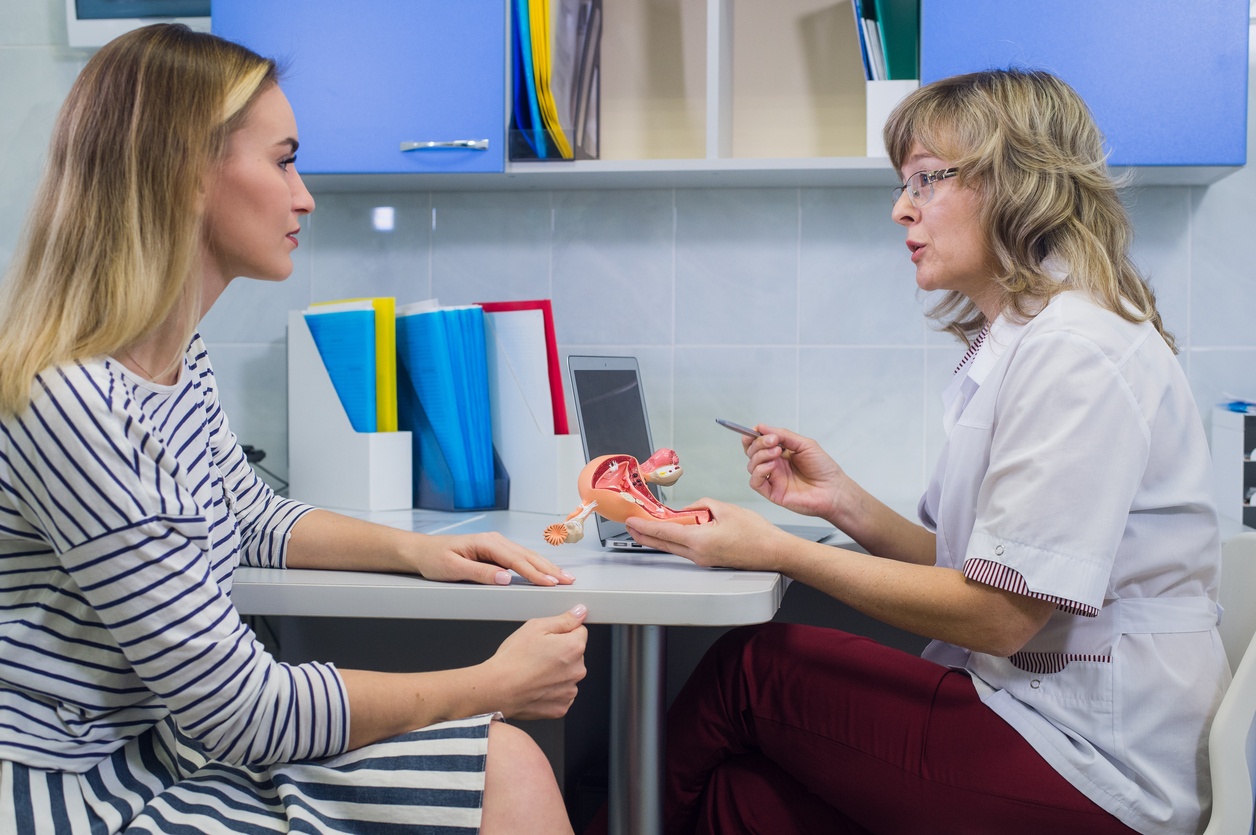
Each year, more than 12,000 women in the United States are diagnosed with cervical cancer. Teaching students, educators, healthcare providers, and women how to prevent and treat it, and promote cervical health, is more vital than ever.
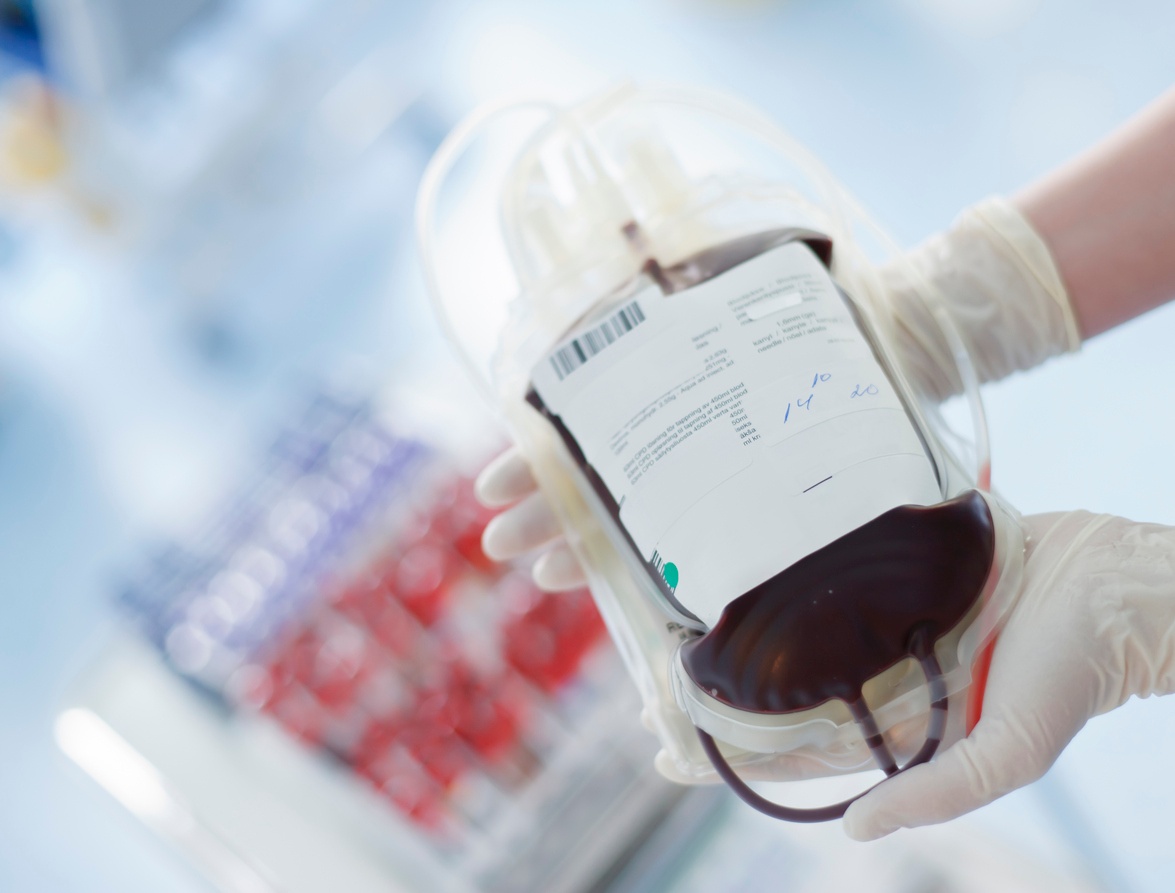
The only source of blood for patients who need a transfusion is a generous blood donor. Blood cannot be made or manufactured outside of the body.