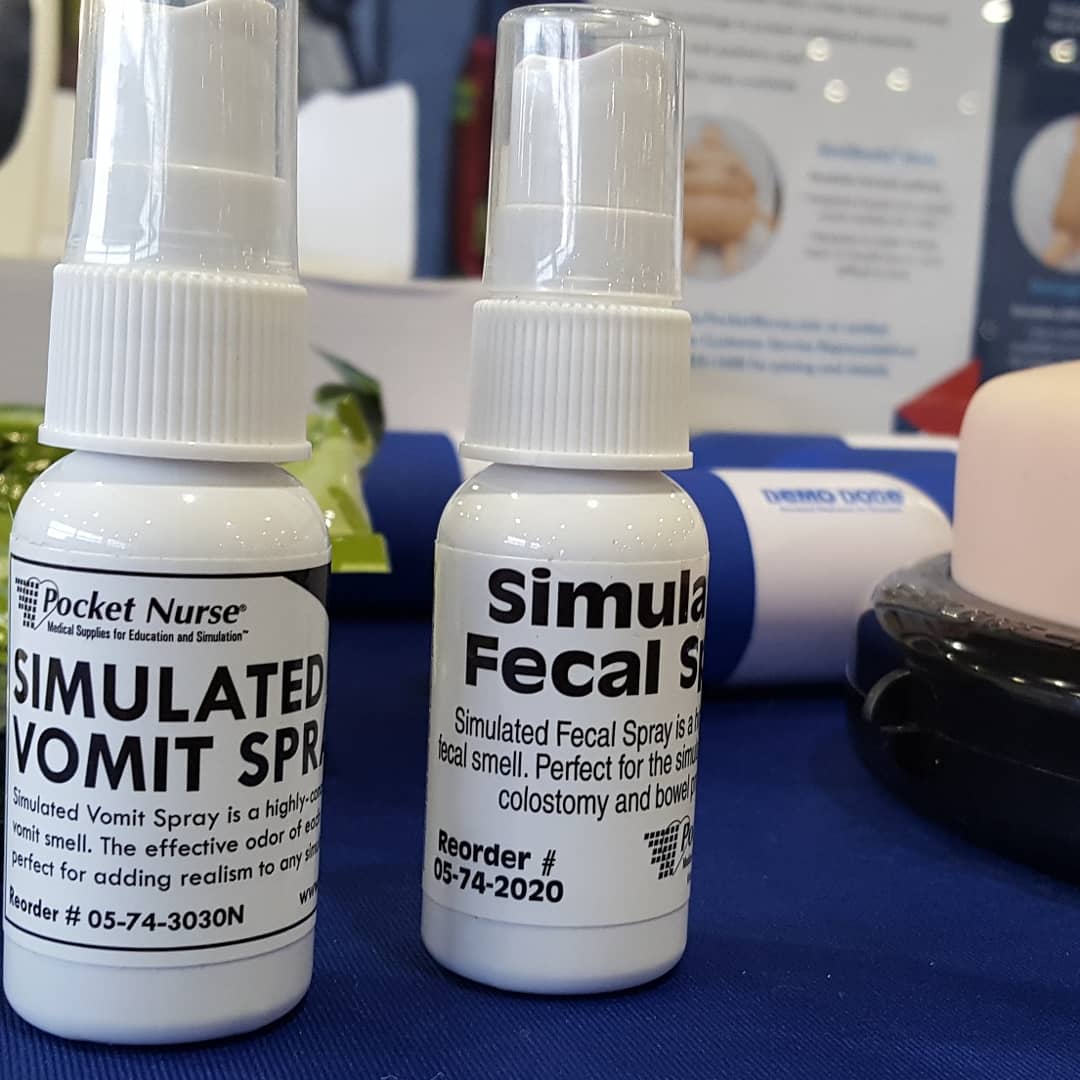
More than any other sense, a person’s sense of smell can instantly invoke a long-forgotten memory. The scent of freshly baked bread can take evoke memories of a grandmother’s kitchen; newly mown grass can make one recall a summer spent as a landscaper.

Incorporating simulation into curriculum is a new concept for many healthcare educators. Every year, educators across America, from physical therapy (PT) to nursing to EMS, will write their first scenarios. This can seem like a daunting task for a novice, but there’s no reason for concern. Scenario-building is a simple and rewarding task.

As the medical simulation industry continues to grow, there are more manikin options than ever before. With so many choices, how do instructors know how to choose the right manikin for their program?
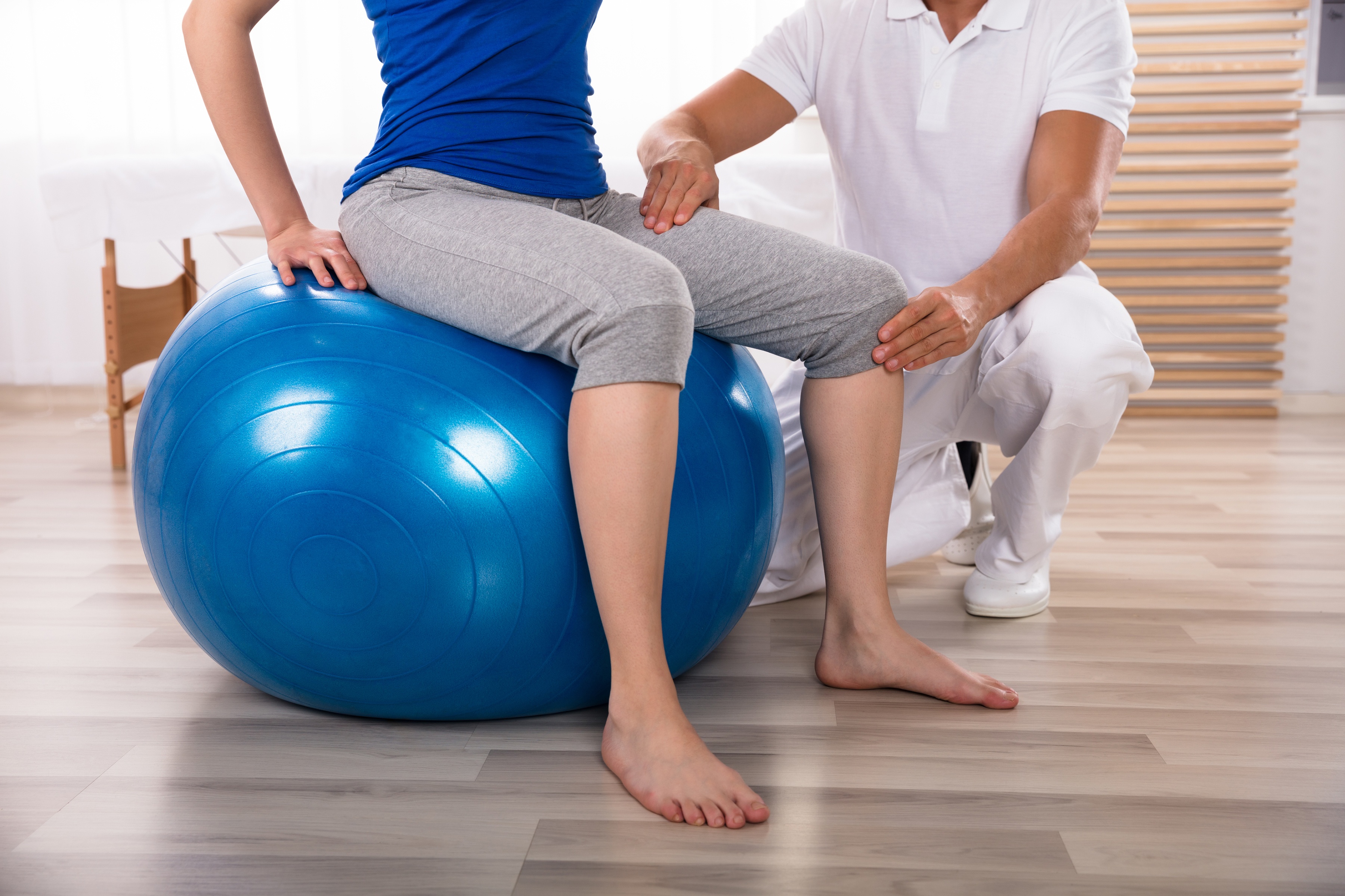
Physical therapy and the healthcare industry are constantly changing. Every day there are new standards, technology, and innovations happening around the world. Pocket Nurse attended the 2019 American Physical Therapy Association Educational Leadership Conference (ELC) in Bellevue, Washington. The following are key takeaways from the conference.
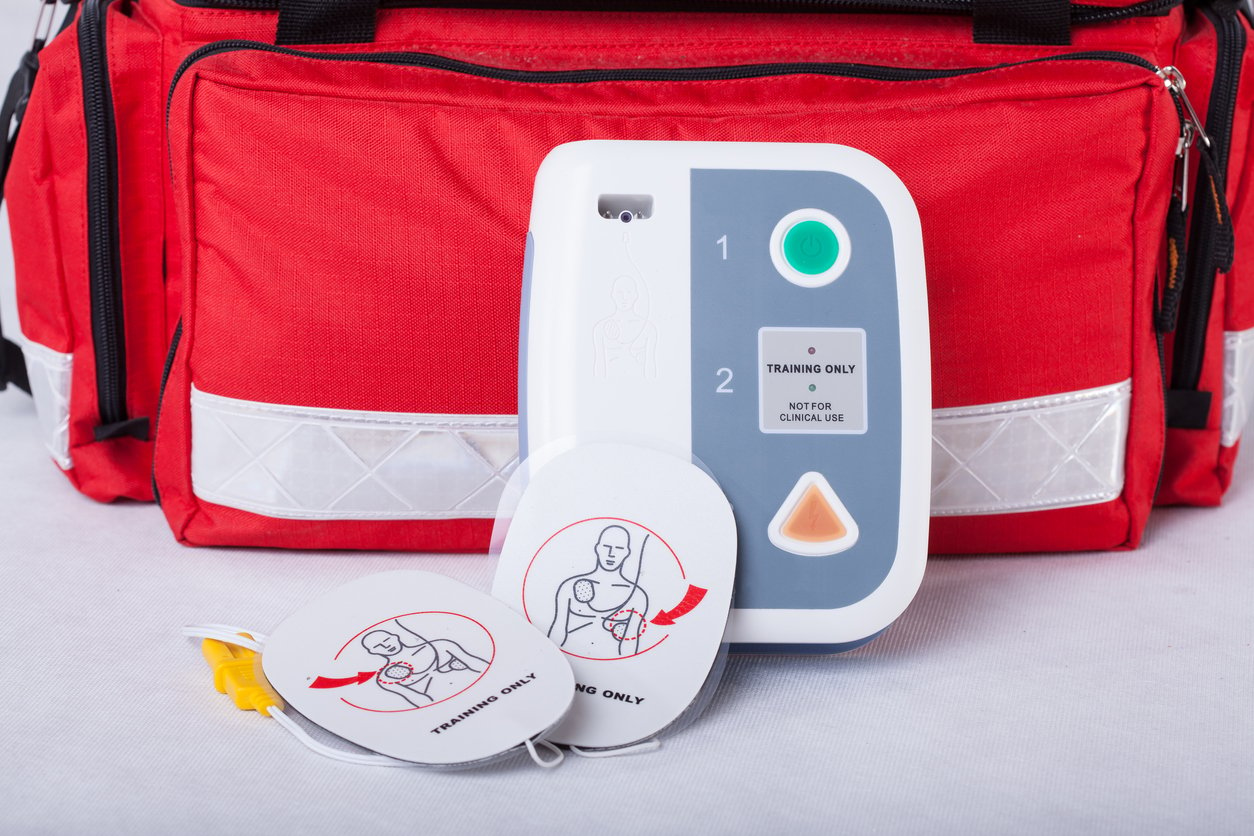
When it comes to creating and running simulation scenarios, instructors have to choose whether to use actual medical equipment (such as thermometers, glucometers, bedside monitors, medication carts, and so on) or to use simulators that closely mimic medical equipment. One of the challenges in running scenarios with simulated participants, for example, is ...