
This year, SimTalk Blog had over 24,000 visitors, and we have over 1,000 subscribers! Thank you to all our readers. In case you missed anything, here are the most-read articles from 2019.
This year, SimTalk Blog had over 24,000 visitors, and we have over 1,000 subscribers! Thank you to all our readers. In case you missed anything, here are the most-read articles from 2019.

Simulation and education customers are very sophisticated and understand how to explore price for value. They have budget parameters for their simulation and education medical supply and equipment programs. At Pocket Nurse, we are very aware and sensitive to those parameters. One of our goals is to help each of our customers maximize their budgets as far ...
-1.jpg)
Incorporating simulation into nursing curriculum, as we have seen, can be challenging. Catherine Recznik wanted to meet the challenge of creating a pediatric simulation for her nursing students. As an experienced instructor and simulation educator, Recznik knows the value of simulation in healthcare education.

These days, emergency medical services (EMS) providers are being asked to do more than perform high-risk, low-reward healthcare procedures. Many out-of-hospital departments are being educated to do comprehensive physical assessments as well.
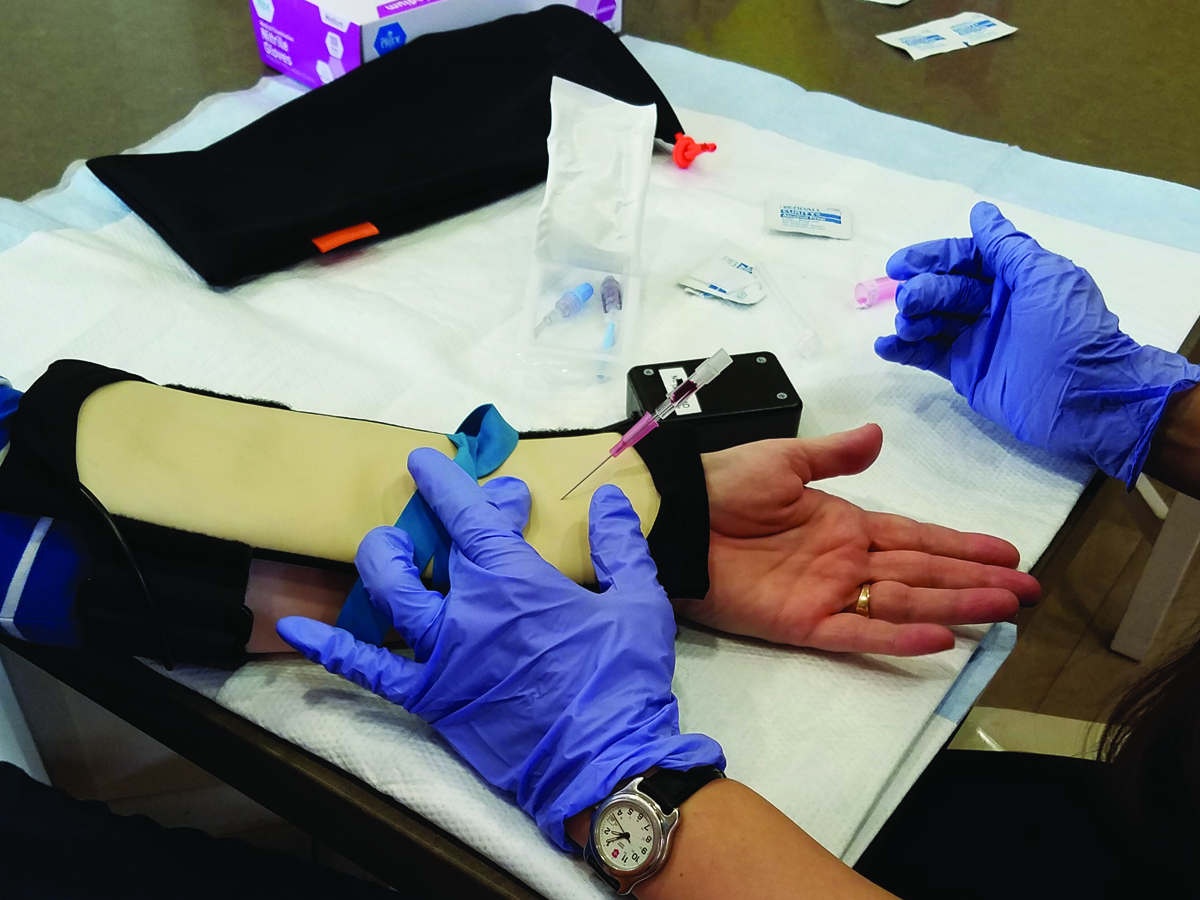
In healthcare simulation education, wearable technology helps students learn certain processes and procedures. Wearable tech can be used with manikins, which can extend their lifetimes by lessening wear and tear, or with standardized participants (SPs). Wearable trainers enhance realism, help develop empathy, and provide visual feedback.
Simulation in Healthcare Education

Pocket Nurse is a nurse-owned-and-operated company that specializes in medical education and simulation technology solutions.