
According to the World Health Organization (WHO), interprofessional education (IPE) “occurs when students from two or more professions learn about, from, and with each other to enable effective collaboration and improve health outcomes.”
According to the World Health Organization (WHO), interprofessional education (IPE) “occurs when students from two or more professions learn about, from, and with each other to enable effective collaboration and improve health outcomes.”
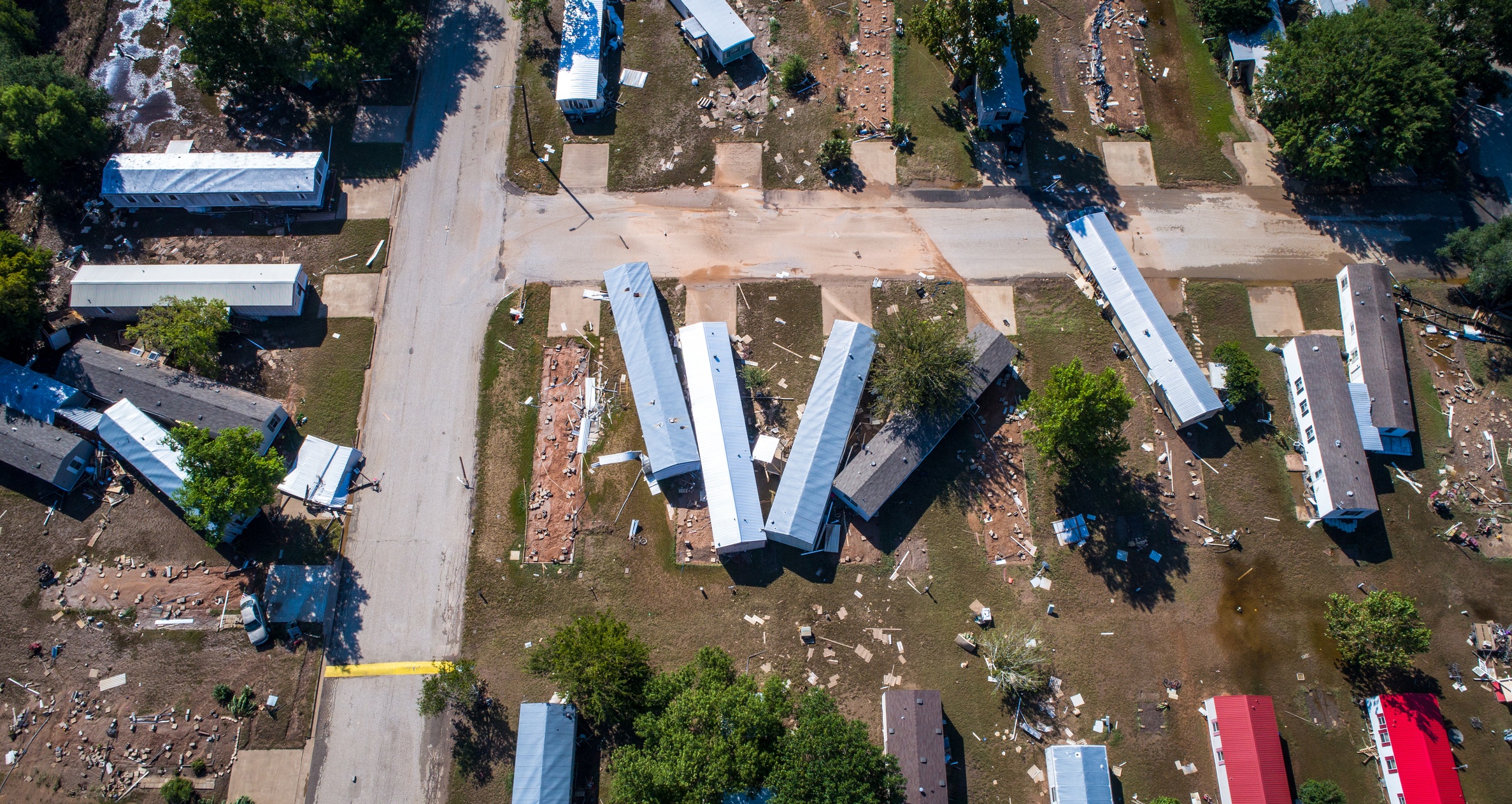
Throughout the world, 255 million people are affected by massive global disasters, and 62,000 people die every year. Public health nurses are often the major source of healthcare when these disasters strike. With the unpredictability of the occurrence of disaster, preparation must be continual and up-to-date.

In a recent Pocket Nurse® survey, 30 percent of the 555 healthcare educators who responded noted that student engagement and retention were their biggest professional challenges. Disengagement in a simulation or clinical environment can be detrimental to student learning and retention.
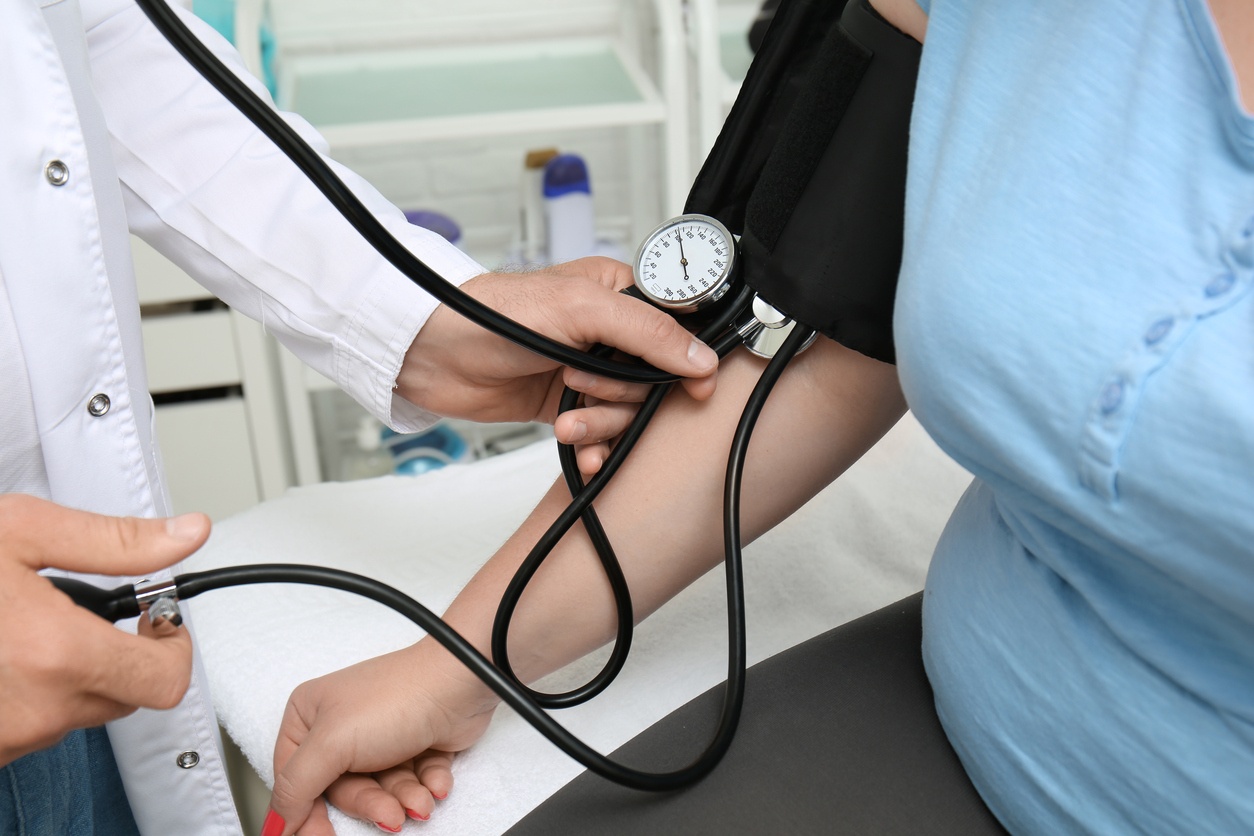
With such a significant percentage of the U.S. population being obese, and with its impact on health, healthcare providers are going to need to be prepared to provide care for overweight and obese patients.
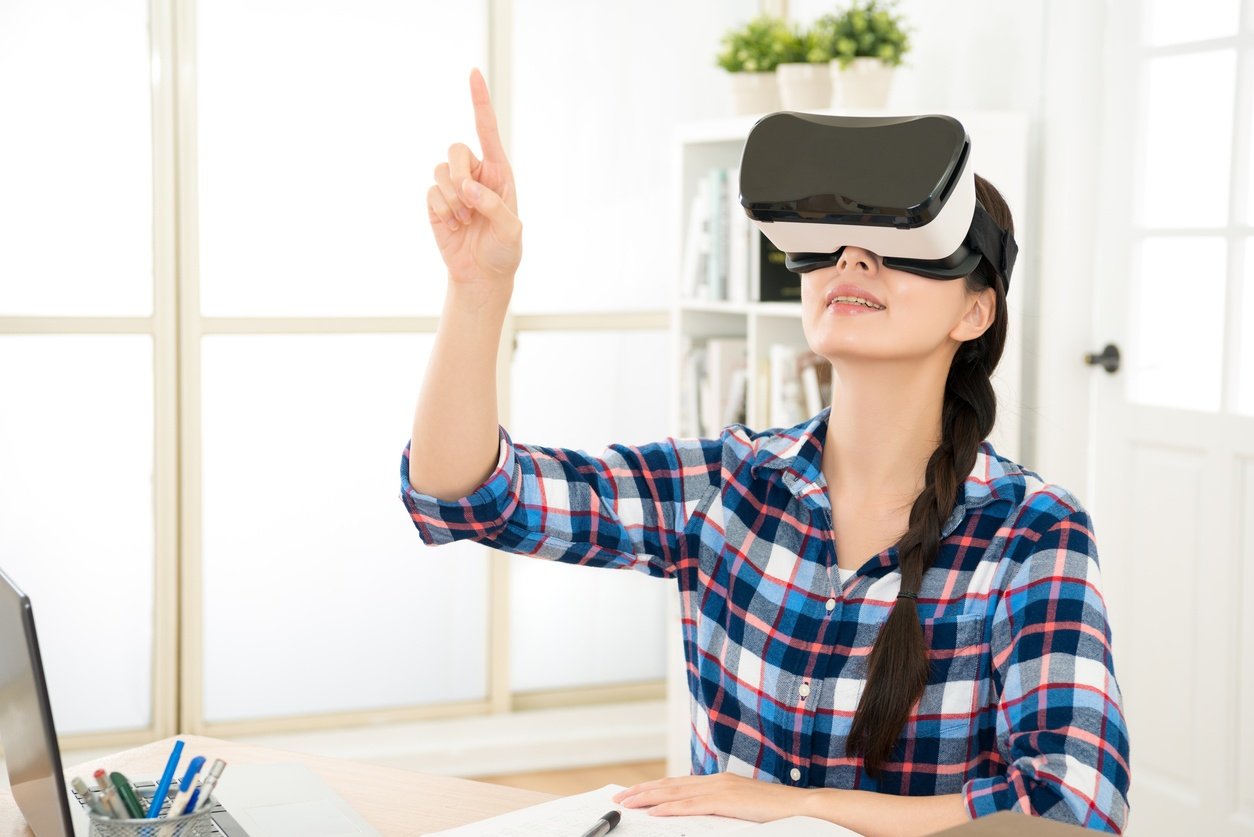
One of the newest and most exciting tools that is being introduced into nursing simulation labs is virtual reality (VR). Although VR systems differ in the details, they all offer a similar experience, enabling students to assess patients and receive feedback in a consistent and objective way.
Simulation in Healthcare Education

Pocket Nurse is a nurse-owned-and-operated company that specializes in medical education and simulation technology solutions.