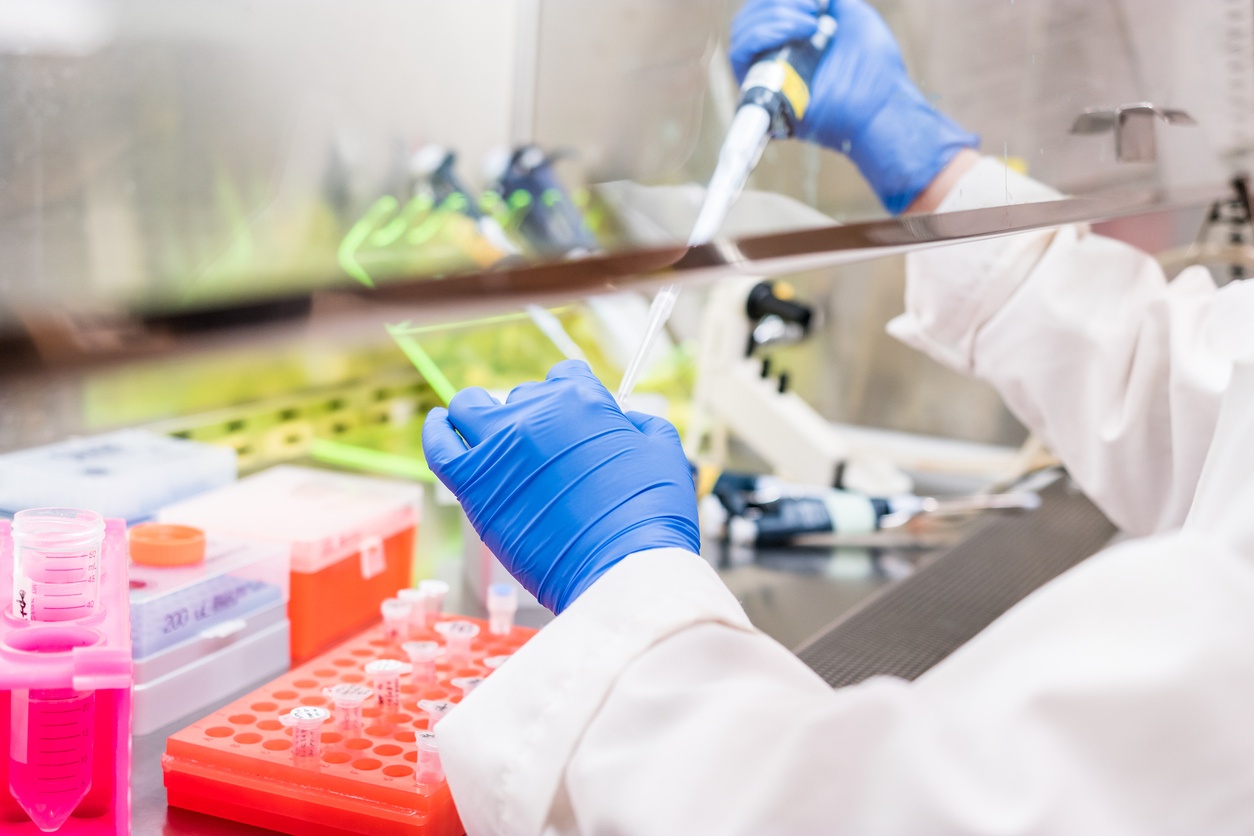
The United States Pharmacopeial Convention’s Chapter 800 (USP 800) provides guidance for personnel handling of hazardous drugs; it was published in February of 2016, and will become effective in the next two years. Before USP 800, guidelines for compounding preparations differentiated between sterile and non-sterile preparations (USP 797 and 795), but ...
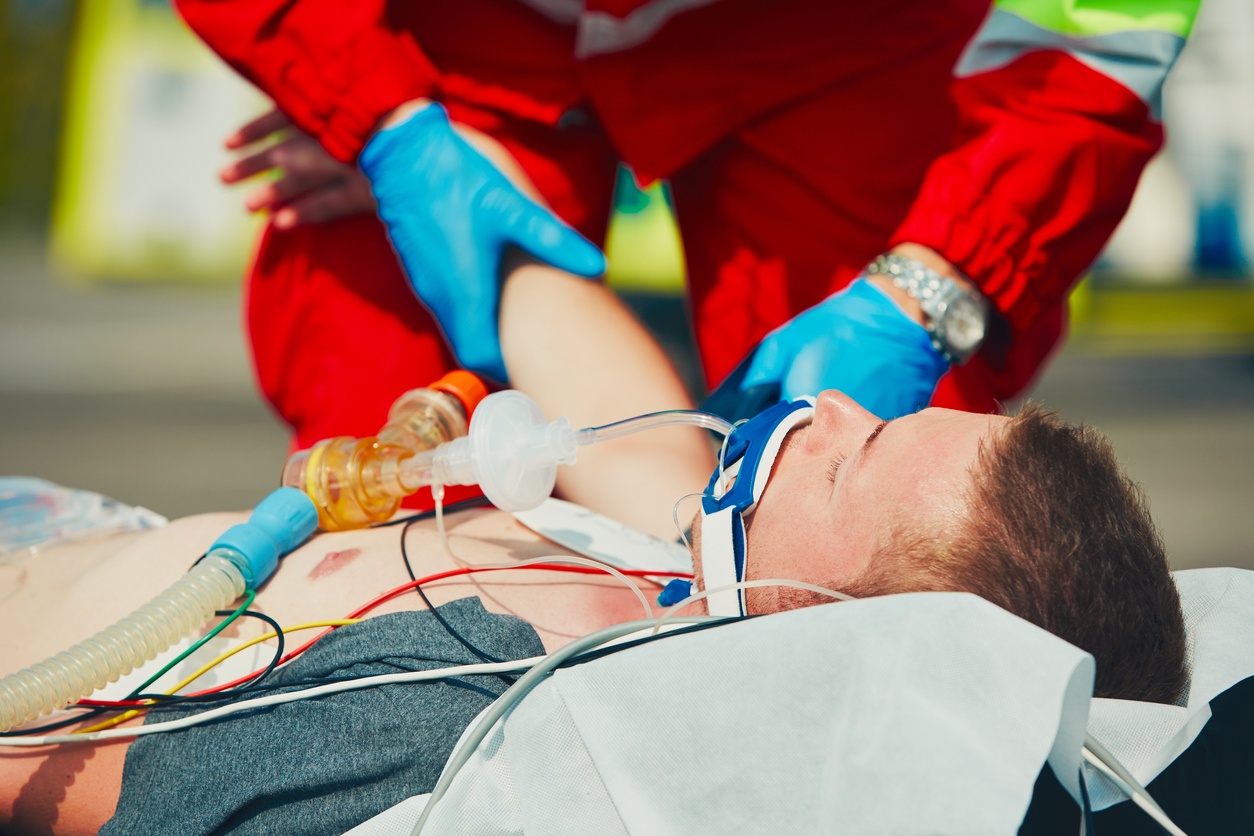
Healthcare experiences exponential technological improvements each year. In order to prepare students for their clinical rotations and entry-level positions, simulation must advance just as quickly. Educators must keep in mind advancements as they gain prominence among services. Here are some of our favorite innovations from EMSWorld Expo 2017.

A recent issue of Clinical simulation in Nursing featured an article about the evidence in simulation-based learning experiences (SBLE) in nursing education and practice. The proposed purpose of the paper was to examine the findings of an umbrella review to examine the state-of-the science in SBLE.

About 1 in 8 American women (approximately 12 percent) will develop invasive breast cancer. (The rates for men are 1 in 1,000, or less than 1 percent.) Breast cancer is usually discovered in one of two ways, either by clinical breast examination (CBE) or breast self-examination (BSE). It is important to teach both of these methods in the classroom.
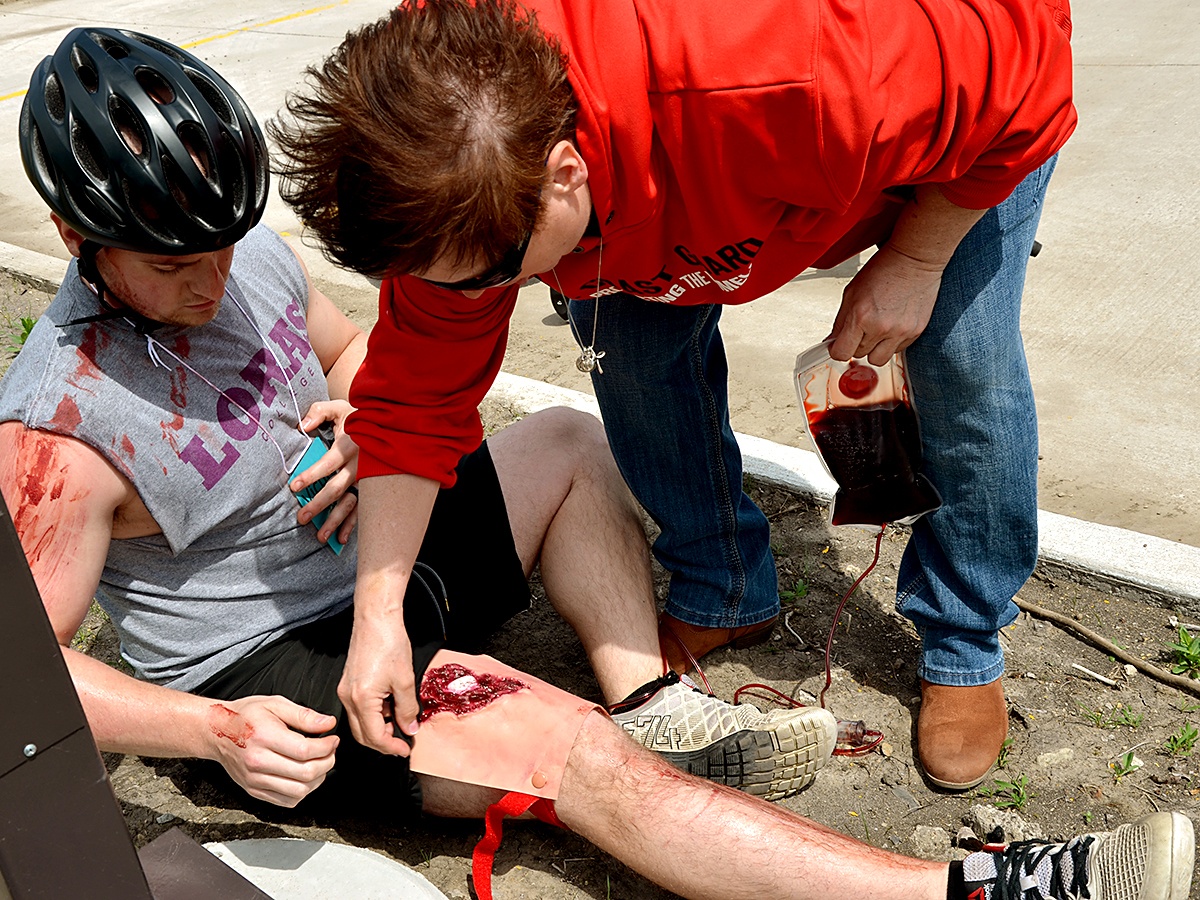
This is an interview with Maria Border, Instructor of Workforce Education and Development at Penn State University. Most nurse educators will tell you there isn’t much room for creativity in their curriculums, but Border will tell you moulage is the exception to the rule.