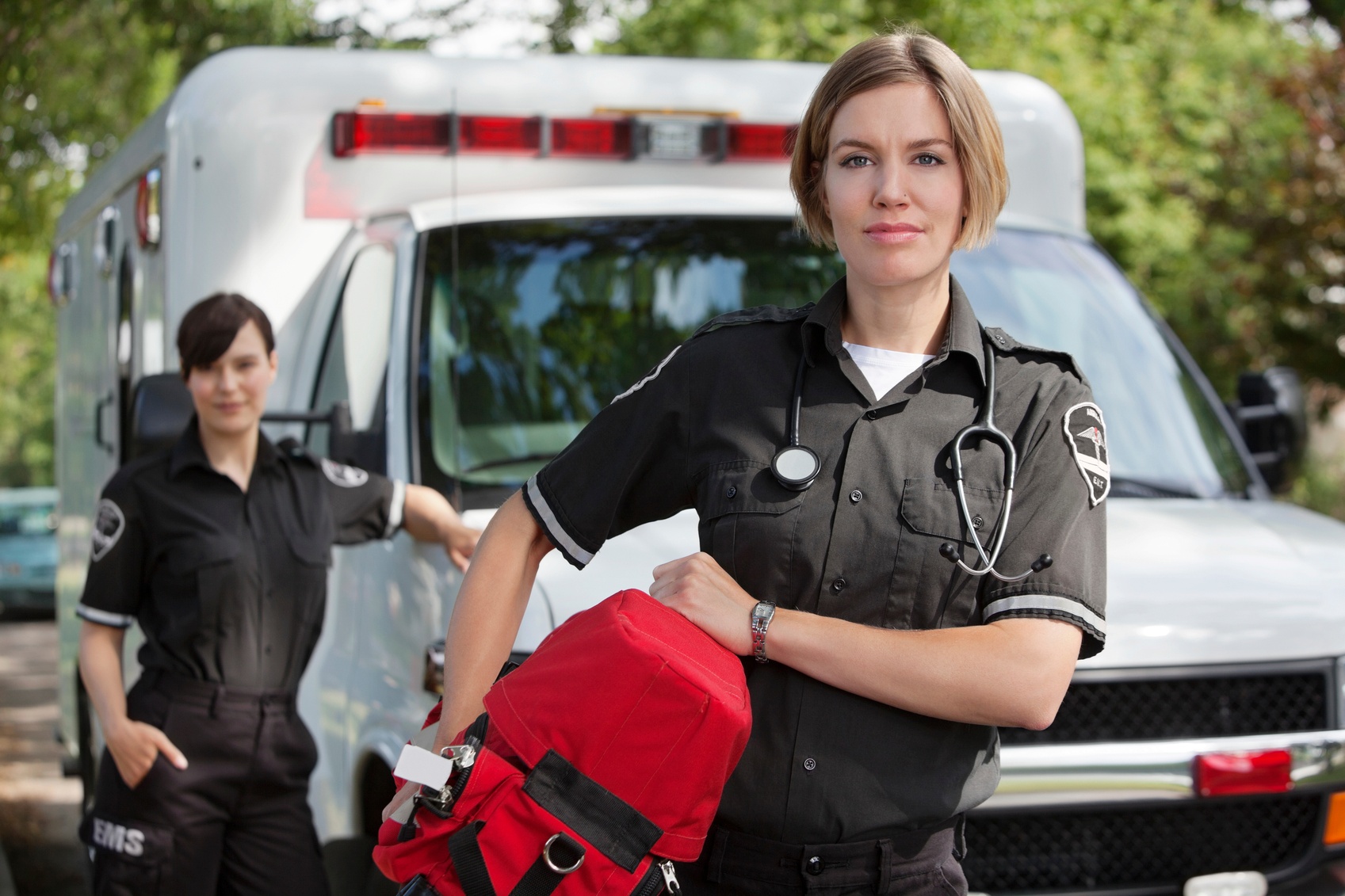
Emergency Medical Services (EMS) as a career has come far since the National Academy of Sciences 1966 white paper, Accidental Death and Disability: The Neglected Disease of Modern Society. Our first two generations of leaders, educators, providers, and medical directors have brought us a long way, but in comparison to the other fields of medicine, we ...
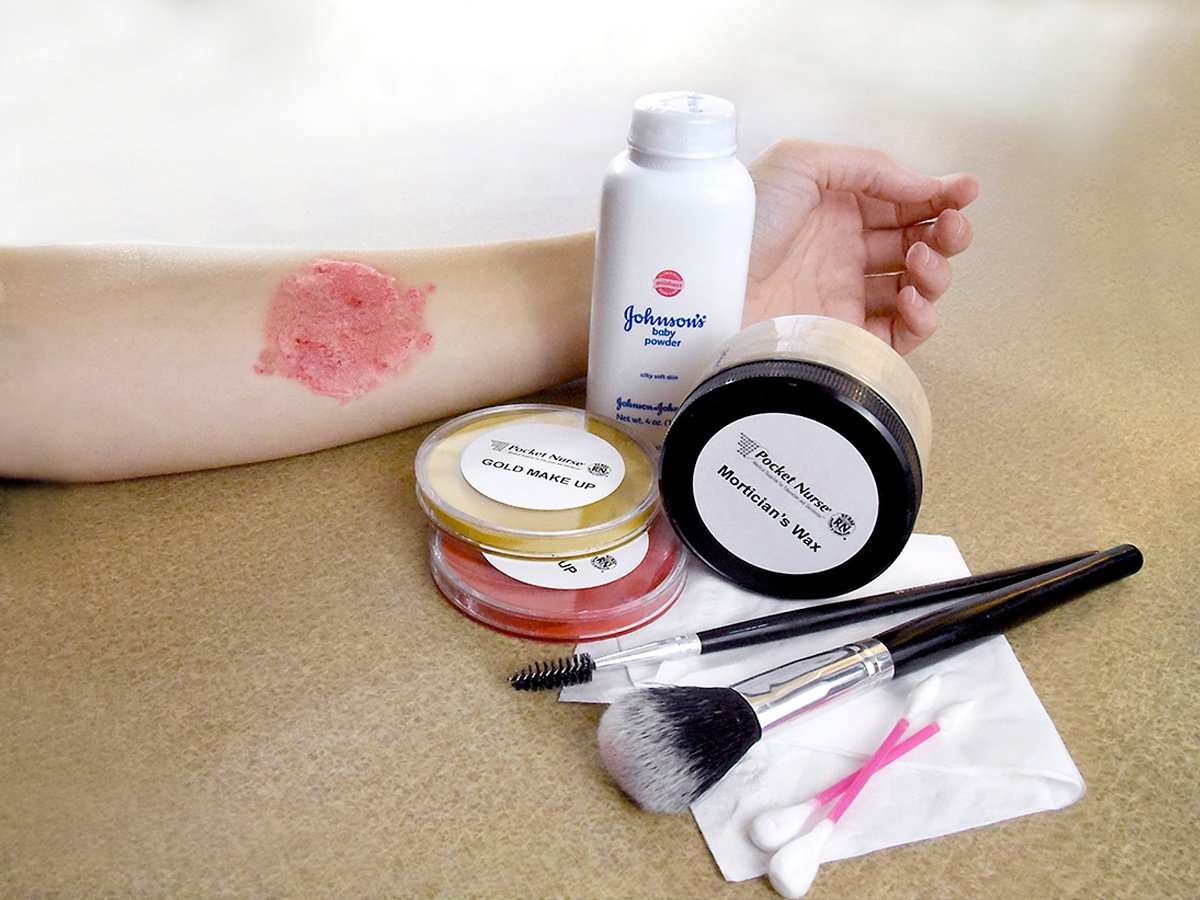
Using moulage in your in-class simulations can be one of the best ways to prepare students for what to expect in their clinical positions. When students have the chance to encounter a situation within the safety of a simulation, they can ask questions and hone their response skills. We’ve prepared a short moulage how-to video and step-by-step to assist ...
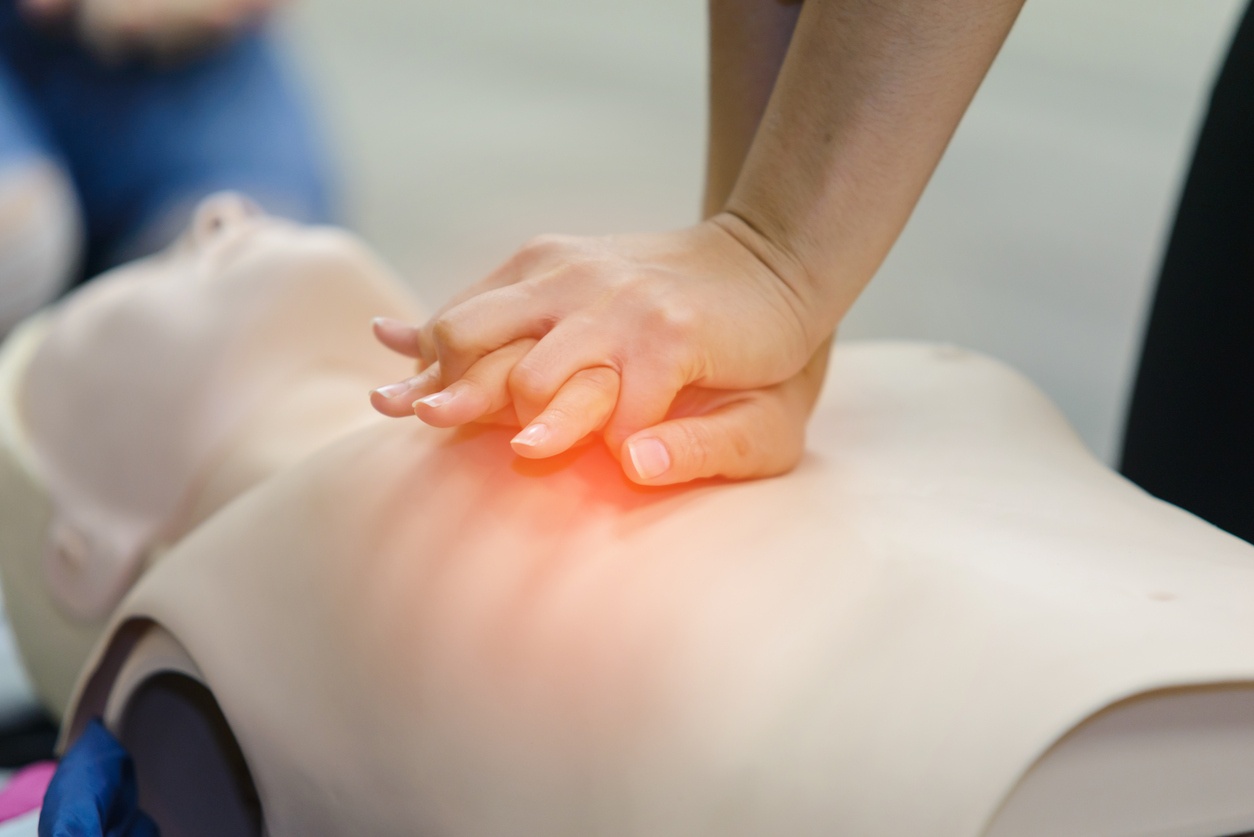
With 350,000 people suffering cardiac arrest outside the hospital and over 200,000 suffering cardiac arrest in a hospital setting, the ability for people (both bystanders and medical professionals) to perform cardiopulmonary resuscitation, commonly known as CPR, correctly has become critically important. If CPR is performed accurately and immediately, ...
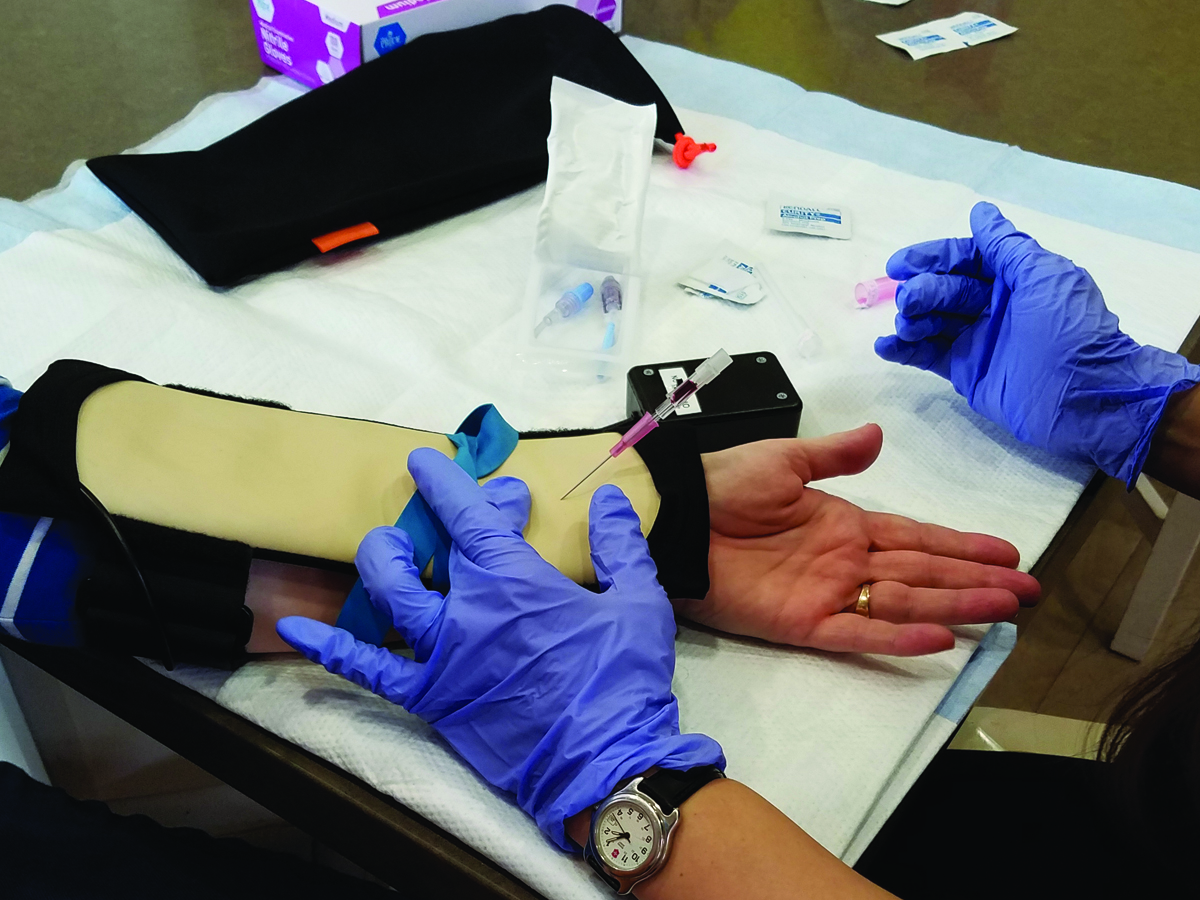
Adding humans into clinical simulation scenarios is not a new thing. Standardized patients (SPs), or standardized participants, can be volunteers, fellow students, or trained actors. With the introduction of virtual reality (VR), students will even start to interact with holographic SPs.
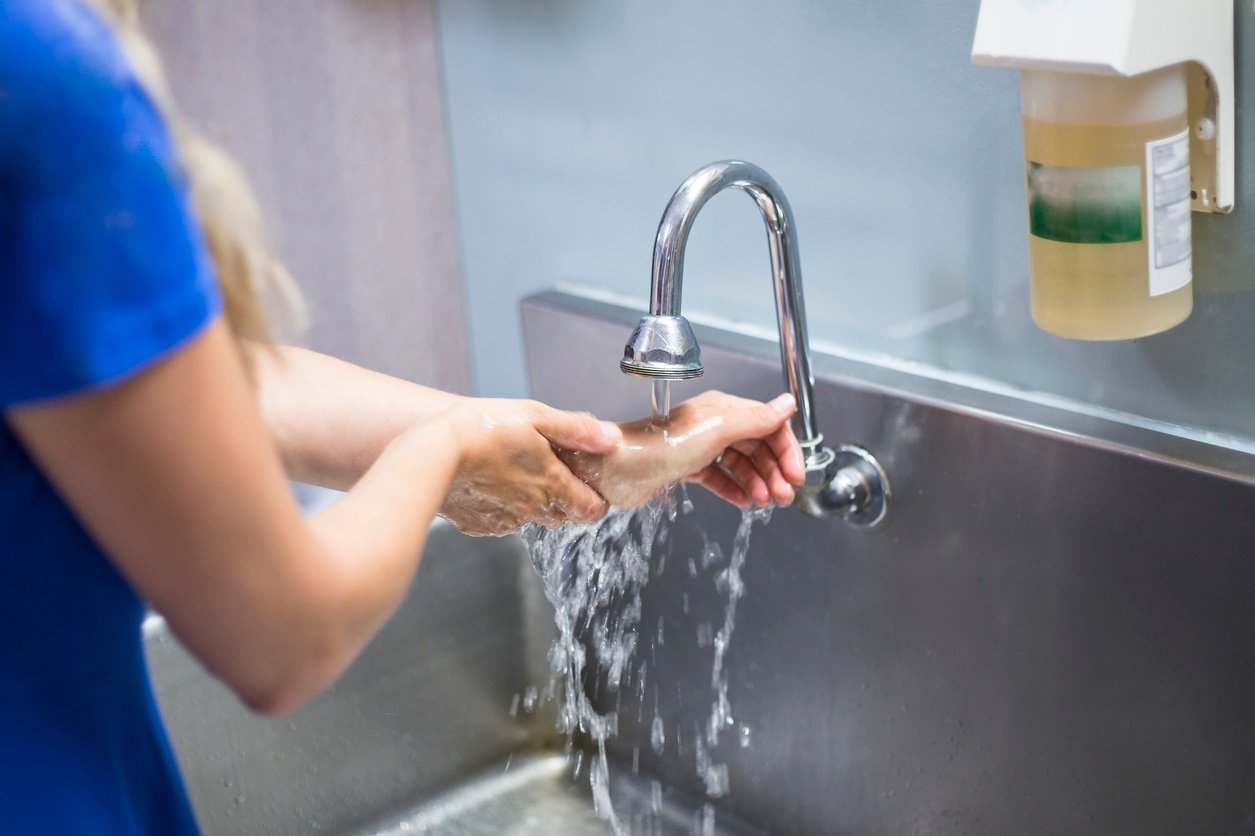
Simulated bacteria is a tool used to teach proper aseptic techniques. It’s a gel or powder that doesn’t appear in normal lighting, but glows under ultraviolet (UV) light, often called black light.