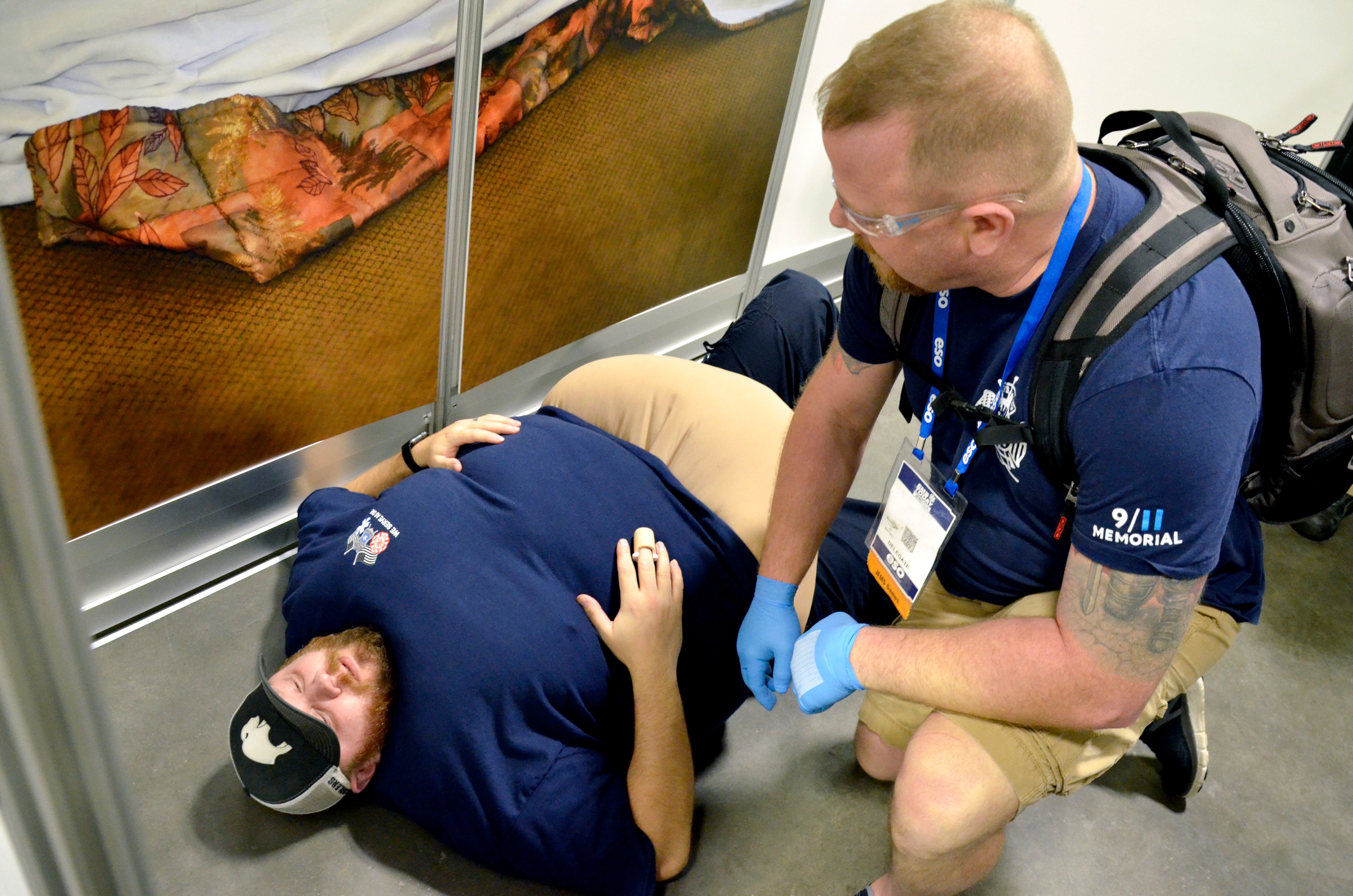
Everybody is a product of their own experiences. Simulation in education is important so students can continue to process sensory input during a real-life situation. Here are five tips for creating immersive scenarios during pre-hospital simulations.* These can be applied to EMS training as well as simulation education in all healthcare fields.
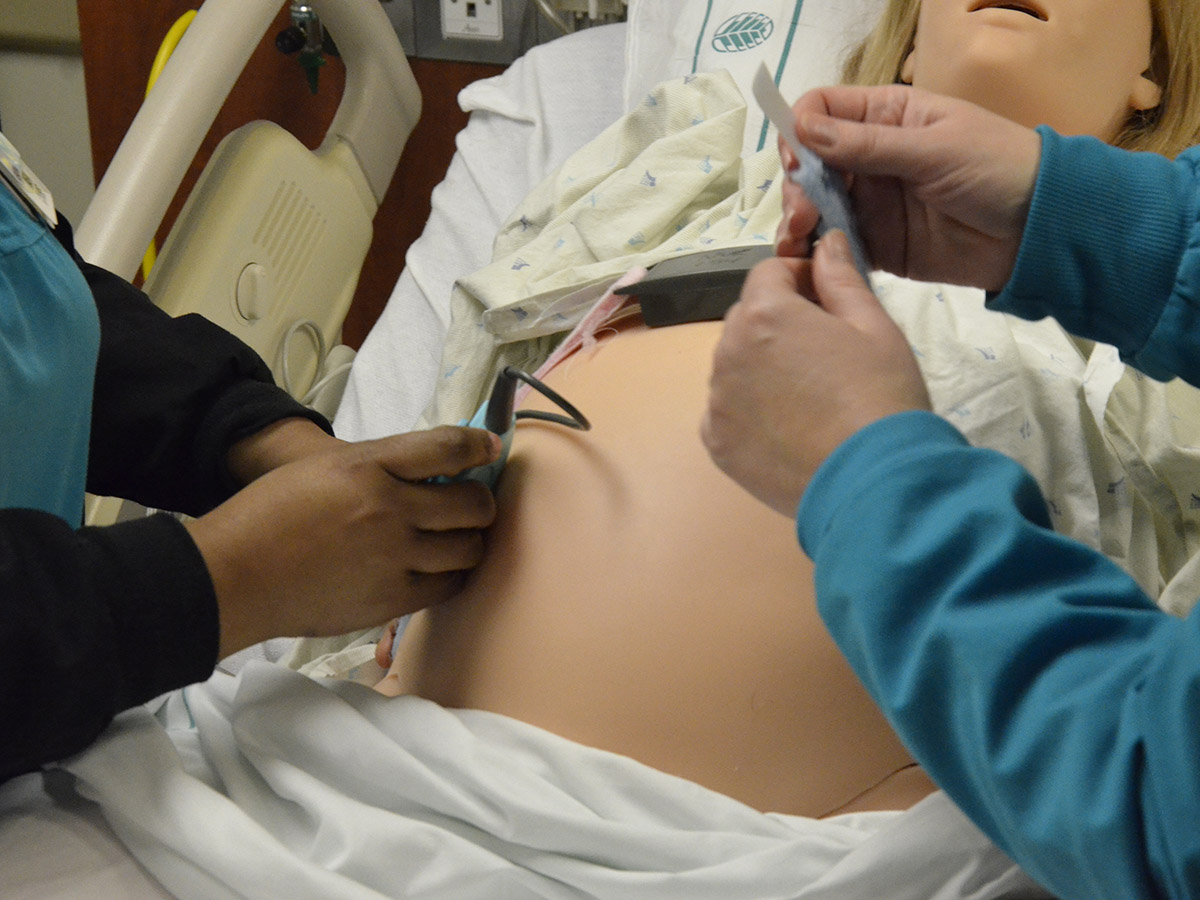
As schools increase hands-on learning, students actively participate in more scenarios. Active participation means the student is physically practicing a skill or process. For example, a student performing CPR on a manikin is an active participant in the basic life support (BLS) scenario.
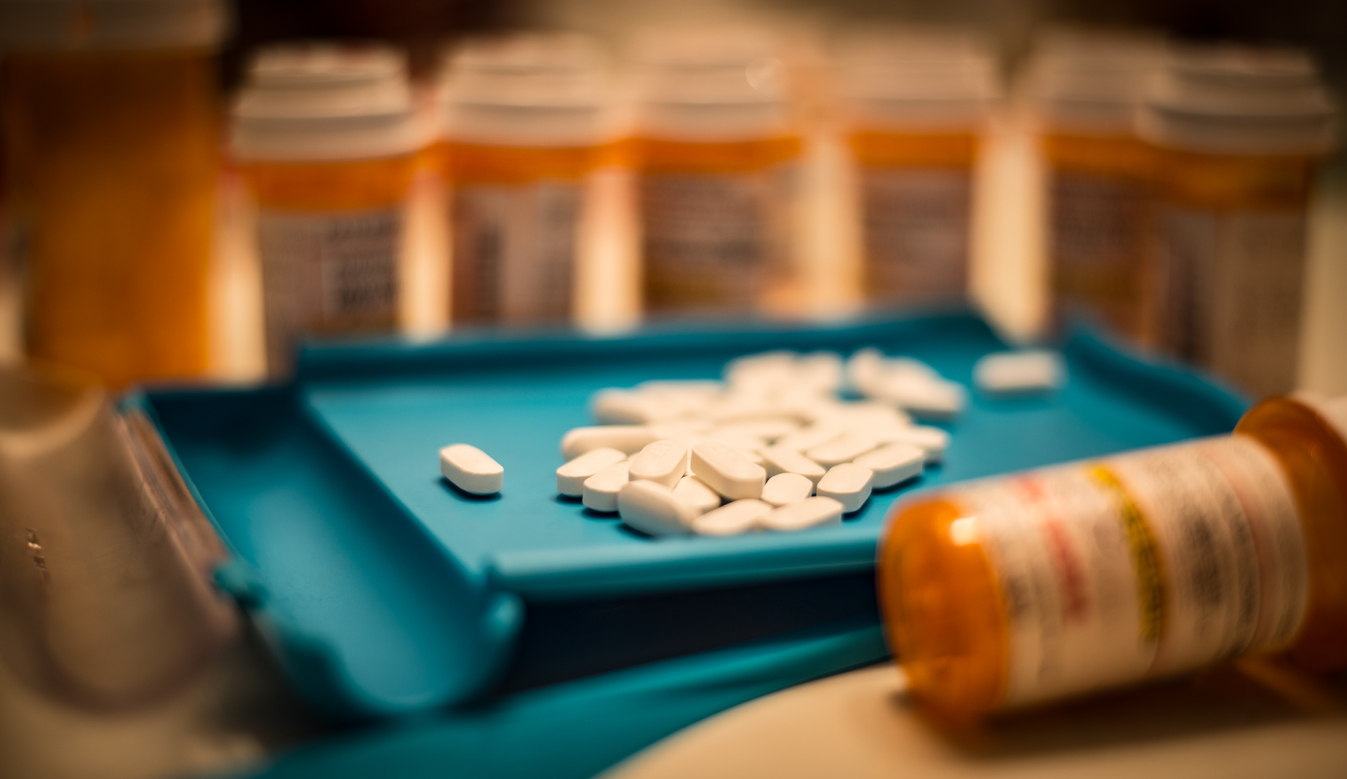
Pharmacists play a vital role in educating patients and their caregivers about prescription opioids. Allied Against Opioid Abuse (AAOA), a national initiative for education and awareness to prevent the abuse and misuse of prescription opioids, commissioned a poll and found more than 70 percent of respondents said detailed instructions from pharmacists ...
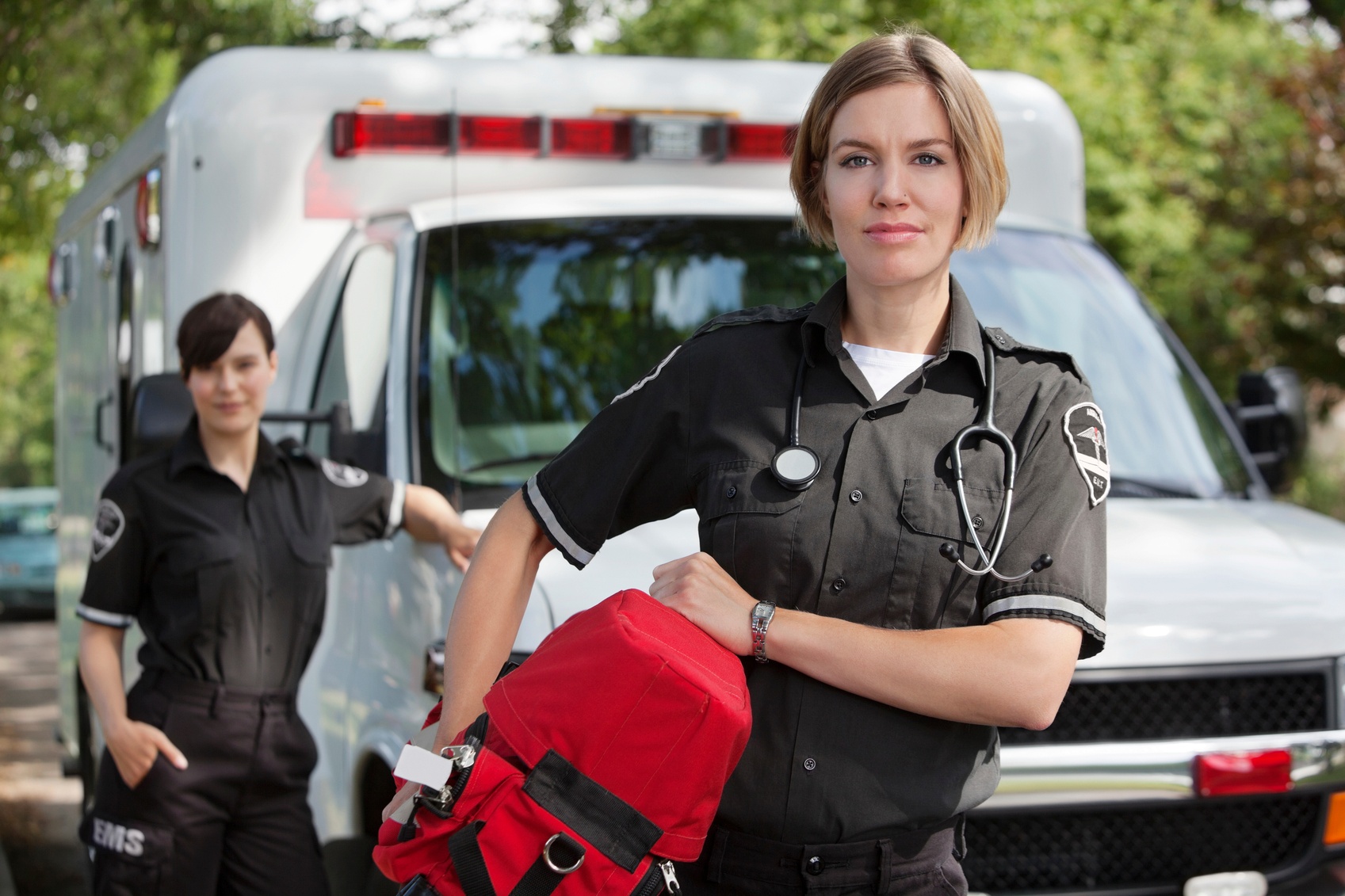
The EMS Today Hands-on Experience is in its third year as a one-of-a-kind experience of interactive learning lab and clinical challenge. Participants visit formative scenario learning labs, where as a group they will use the latest equipment, supplies, and technology to demonstrate real-life simulation training. These formative group labs provide a ...
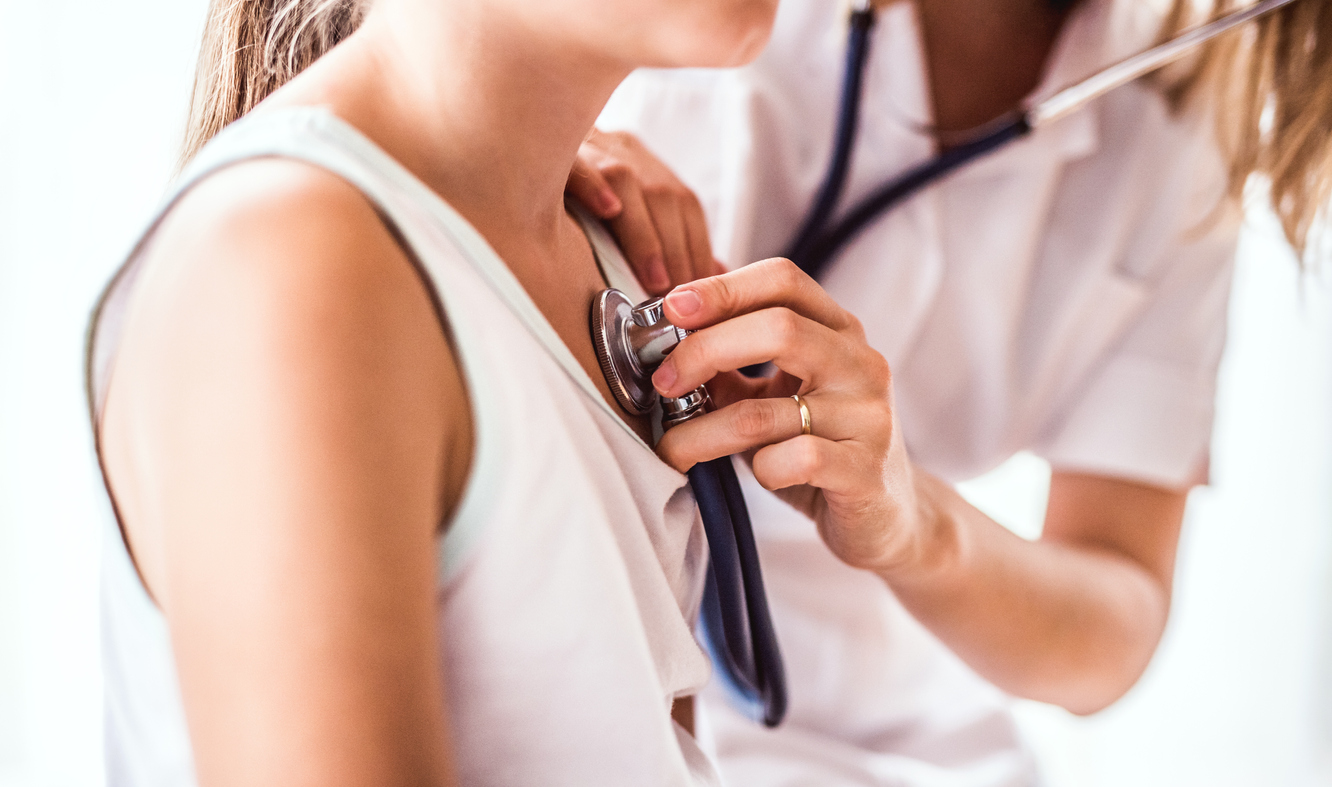
Heart disease is the number one cause of death in the United States, for men and women; about 630,000 Americans die from heart disease each year – that’s one in four deaths. Students in healthcare education can learn the risk factors of coronary heart disease (CHD) and communicate with their patients for better health outcomes.