The use, overuse, and abuse of opioids in the United States is a multifaceted issue that emergency medical services (EMS) face. Although the media has spotlighted the negative impact of opioid overdose and diversion, EMS systems still rely on opioids to manage pain.
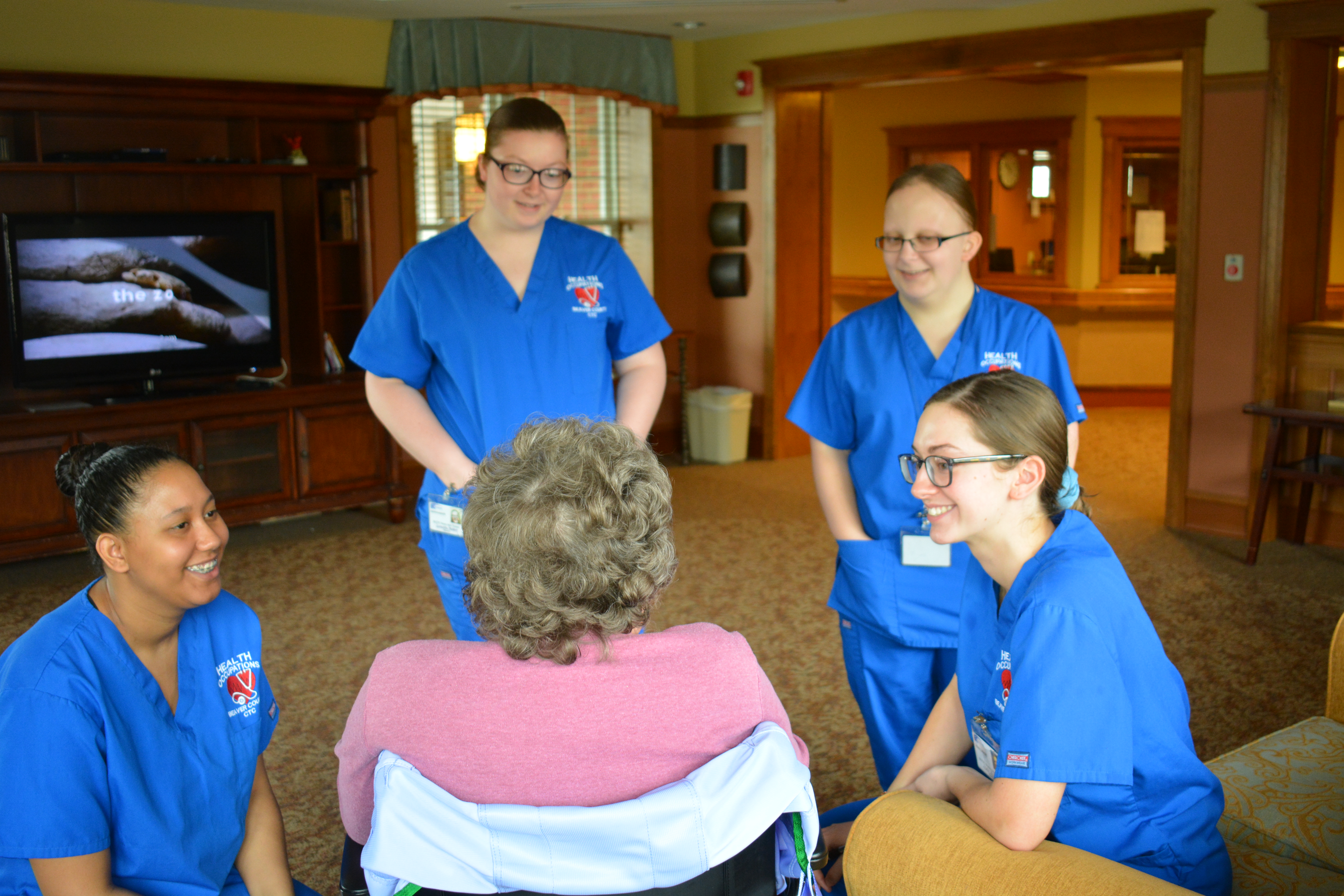
Educators, in all fields of education, support their students in a variety of ways in order to allow their students’ career goals to come to fruition. One type of supporting educational system that prepares students for individually-focused career paths is Career and Technical Education (CTE).

Each year, May 6 to May 12 marks National Nurses Week. The celebration always concludes on the date of Florence Nightingale's birthday, which is May 12.
This week is a special time for the nursing profession.

Medical errors – including errors made by doctors, nurses, EMS personnel, and pharmacists – are the third largest cause of death in the United States.1 Healthcare professionals, regardless of how long they go to school and how much they care for their patients, sooner or later are going to make a mistake that may result in the death of a patient.

When a school is considering automated medication dispensing cabinets or carts (ADCs) for use in simulation education, they typically want to use the type of ADCs that are found in their local hospital system. This way, students will easily be able to adapt to real-life medication dispensing once they graduate and start their careers.